Skip to content

Old concrete does not always need to be torn out and replaced. Many aging garage, basement, workshop, and utility room slabs across New York can still support a durable coating system when the concrete is structurally sound and properly prepared.
For homeowners dealing with stained floors, surface wear, pitting, old paint, or small cracks, epoxy flooring over old concrete can provide a cleaner and more durable finish without replacing the entire slab. The key is understanding what condition the concrete is actually in before coating begins.
At ProShield Coatings, old concrete is treated as a restoration project, not simply a surface that needs paint.
Can Epoxy Flooring Be Installed Over Old Concrete?
Yes. Epoxy flooring can often be installed over concrete that is decades old.
The actual age of the slab matters less than its condition. Older concrete can still be a strong coating surface when it remains stable, properly bonded, and free from major structural problems.
The floor still needs professional preparation before any epoxy coating is installed. Dirt, weak surface material, old sealers, paint, oil, and loose concrete can prevent proper adhesion if they are left behind.
A successful epoxy floor installation starts by getting back to sound concrete.
Old Concrete Needs More Than Basic Cleaning
Aging concrete often carries years of contamination and wear.
Garage floors may contain oil residue, road grime, tire marks, automotive fluids, old coatings, and embedded dirt. Basement and utility room slabs may have paint, adhesives, sealers, or moisture-related staining from previous use. Simply washing the concrete is usually not enough.
Professional epoxy flooring contractors commonly use mechanical grinding to remove unsuitable material and create the correct surface profile for coating adhesion.
Grinding also exposes hidden damage that may not be visible before preparation begins.
This is especially important with old concrete because its full history is often unknown.
Cracks Need To Be Addressed Before Epoxy Installation
Cracks are common in older New York concrete slabs.
Some cracks develop from normal concrete shrinkage. Others appear because of settlement, seasonal movement, freeze-thaw exposure, or changes in the ground below the slab.
Existing cracks should be evaluated before coating.
Suitable cracks can often be cleaned, opened, and repaired before the epoxy flooring system is installed. This creates a more consistent surface and reduces obvious weak points beneath the finished coating.
Homeowners should still be cautious of anyone promising that epoxy will permanently eliminate all future cracking.
Epoxy protects the surface. It does not stop structural movement inside the concrete.
Can Epoxy Fix Pitted And Worn Concrete?
Minor pitting and surface wear can often be repaired as part of the coating process.
This is especially relevant in older New York garages where years of winter moisture, deicing salts, vehicle traffic, and temperature changes may have worn down the concrete.
Damaged areas can often be mechanically prepared, patched, and leveled before the coating is installed.
The condition of the surrounding slab still matters.
If the concrete is deeply deteriorated, crumbling, severely spalled, or separating in large sections, additional concrete repair may be necessary before epoxy becomes a realistic option.
New York Winters Can Be Hard On Old Concrete
Cold-weather exposure adds another challenge to aging slabs.
Garages throughout New York regularly deal with snow, ice, slush, road salt, sand, and water carried inside by vehicles. Moisture can sit on bare concrete and move into small surface defects.
Repeated seasonal temperature changes can also contribute to concrete movement and deterioration.
A properly installed epoxy floor coating helps protect suitable concrete from routine surface exposure and makes winter mess easier to clean.
It does not reverse structural damage that already exists.
That is why slab preparation and repair are critical before the coating system is installed.
Moisture Is A Major Concern With Older Slabs
Older concrete should always be considered carefully for moisture-related issues.
Some older homes may have limited or outdated vapor protection beneath the slab. Basements and below-grade floors can also be more vulnerable to moisture moving upward through concrete.
Too much moisture vapor can interfere with coating adhesion.
Possible signs include bubbling, peeling, discoloration, or areas where previous coatings have already failed.
If moisture problems are suspected, they should be investigated before selecting an epoxy flooring system.
Installing a premium coating over an unresolved moisture problem can still result in failure.
What About Old Oil And Grease Stains?
Oil-stained concrete is common in older garages.
Concrete is porous, so automotive fluids can penetrate below the visible surface instead of staying on top.
A dark stain does not always mean the slab cannot be coated, but contaminated areas require proper preparation.
Mechanical grinding may remove affected surface material, while heavily contaminated areas may require additional treatment.
The goal is not simply hiding the stain.
The goal is creating a clean, stable surface that allows the epoxy coating to bond properly.
Can Epoxy Go Over Old Floor Paint?
Old paint and previous coatings need to be inspected before new flooring is installed.
If the old coating is peeling, flaking, or poorly bonded, installing epoxy directly over it can create a weak flooring system.
The new coating may bond to the old paint instead of the concrete.
If that old paint releases, the new floor can come off with it.
Mechanical preparation typically removes failed coatings and exposes the underlying concrete so the new epoxy system has a stronger foundation.
This step can make a major difference in the long-term performance of an older floor.
When Is Old Concrete Too Damaged For Epoxy?
Not every aging slab is a good candidate.
Epoxy flooring is designed to protect and finish concrete, not replace structural repairs.
Warning signs may include major settlement, wide moving cracks, widespread concrete deterioration, severe spalling, unstable sections, or persistent moisture problems.
Those conditions need to be addressed before a coating system is considered.
A trustworthy flooring contractor should evaluate the concrete and explain when repair work is necessary rather than coating over major problems.
Why Surface Preparation Matters More On Aging Concrete
Old concrete often requires more preparation than new concrete.
There may be decades of contamination, coatings, repairs, wear, and exposure built into the slab.
Proper preparation can involve several steps depending on the floor:
Mechanical grinding, crack repair, patching, removal of failed coatings, treatment of contaminated areas, and correction of damaged sections.
The exact process should be based on the slab rather than a one-size-fits-all package.
This is one reason professionally installed epoxy flooring performs differently from basic DIY coating kits.
The finished floor is only as reliable as the concrete underneath it.
Epoxy Can Completely Change The Look Of An Old Floor
A worn slab can make an otherwise useful space feel unfinished.
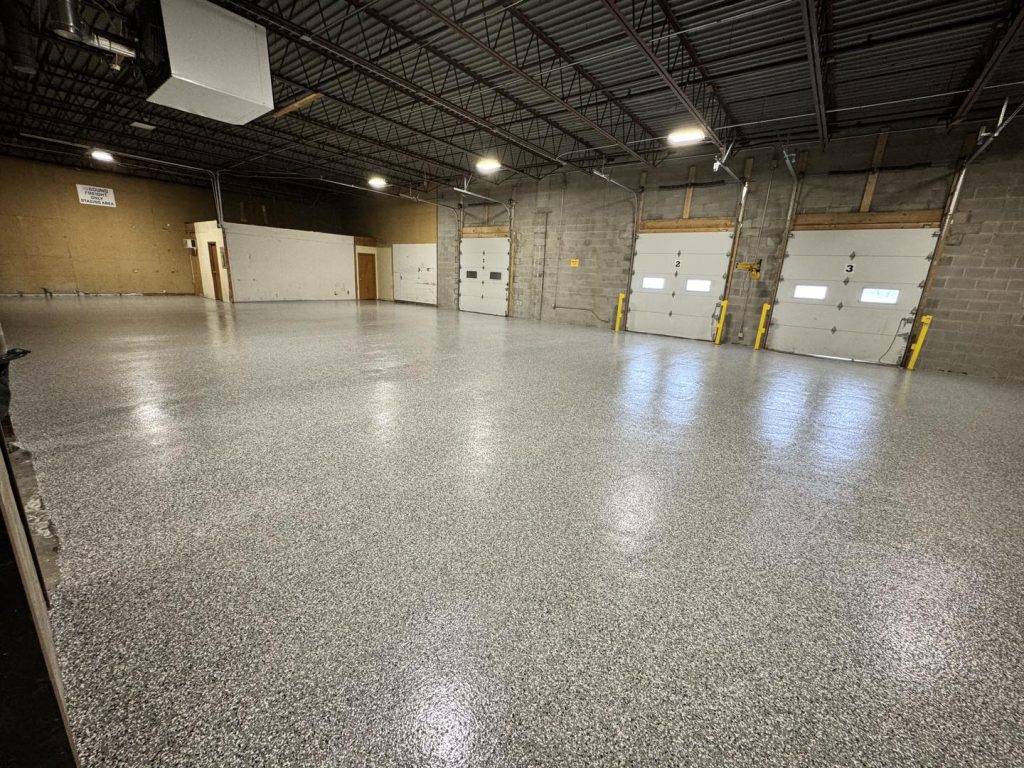
Professional epoxy flooring can give aging concrete a much cleaner appearance while also improving maintenance and surface protection.
Old garage floors can become easier to sweep and clean. Basement floors can feel more finished. Workshops and utility spaces can gain a more uniform surface that handles everyday use better than bare concrete.
Decorative flake systems can also help disguise normal visual variation in repaired concrete.
The purpose is not simply cosmetic.
A properly designed coating system can improve both appearance and everyday usability.
Is Epoxy Better Than Replacing Old Concrete?
In many cases, replacement is unnecessary.
Removing and replacing a slab can involve demolition, disposal, new concrete installation, curing time, and significantly more disruption.
If the existing concrete is structurally sound, repairing and coating it can often be a more practical option.
Full replacement may make more sense when the slab has major structural failure, settlement, or widespread deterioration.
The decision should be based on condition, not age alone.
Restore Your Old Concrete With ProShield Coatings
Old concrete does not automatically mean a full replacement project.
Many New York garage, basement, workshop, and utility room floors can be restored with the right preparation, repairs, and epoxy flooring system.
ProShield Coatings evaluates the concrete first. Cracks, surface wear, previous coatings, stains, moisture concerns, and damaged areas are considered before a system is recommended.
If an older concrete floor is looking rough, worn, or difficult to maintain, contact ProShield Coatings for an evaluation and estimate.
A properly prepared floor can often get years of new life without tearing out the entire slab.
Frequently Asked Questions
Can You Put Epoxy On 30-Year-Old Concrete?
Yes. Concrete that is 30 years old or older may still be suitable for epoxy flooring if it remains structurally sound and is properly prepared before installation.
Does Old Concrete Need To Be Repaired Before Epoxy?
Usually, damaged areas should be addressed first. Cracks, pits, loose concrete, failed coatings, and other weak sections may need repair or removal before the coating system is installed.
Will Epoxy Hide Cracks In Old Concrete?
Cracks can often be repaired before coating, which makes them much less noticeable. Future concrete movement can still cause some cracks to reappear over time.
Can Epoxy Be Installed Over Old Garage Floor Paint?
Sometimes, but failing or poorly bonded paint should usually be removed first. The new flooring system needs a strong bond to a stable surface underneath.
Is Epoxy A Good Choice For An Old New York Garage Floor?
It can be an excellent option when the slab is still structurally sound. Professional preparation and repair are especially important because older garages may have years of salt exposure, oil contamination, cracking, and surface wear.
Should Old Concrete Be Replaced Or Coated?
It depends on the condition of the slab. Structurally sound concrete can often be repaired and coated, while heavily damaged or unstable slabs may require more extensive repair or replacement.