Skip to content
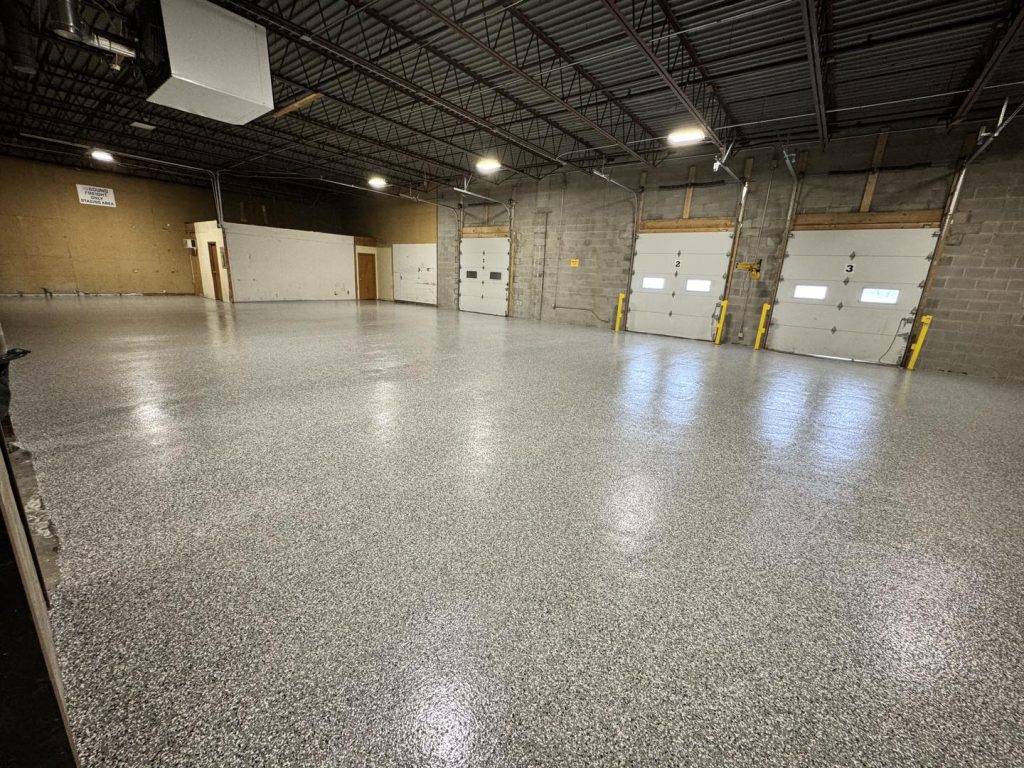
Epoxy flooring finished basement projects in Buffalo need more than a clean color and a glossy surface.
Basement slabs across Western New York deal with moisture vapor, cold concrete, snowmelt pressure around foundations, and older concrete that may dust, crack, or stain. Carpets can trap dampness. Tile grout can collect soil and moisture. Thin floor paint can peel when the slab moves or breathes.
A stronger epoxy floor coating starts with the slab itself. We look at moisture, surface strength, cracks, drainage signs, and basement use before recommending a system.
Epoxy Flooring Finished Basement Strength Starts Below
A finished basement floor is only as strong as the concrete under it. Many Buffalo homeowners think the coating product does all the work. That is not true. The slab, prep method, moisture condition, and coating build decide how long the floor looks clean and stays bonded.
Buffalo’s climate adds pressure from winter snow, spring thaw, and long, damp periods. New York uses road salt heavily during winter, and that salt-laden meltwater can affect exterior drainage and garage entries around homes. The state also recognizes rock salt as a winter safety tool that can create runoff concerns when overused.
Basements carry more problems than garages. Water does not need to flood the room to affect the floor. Moisture vapor can move through concrete, and humidity can settle against cool surfaces. That is why our Basement Floor Coatings service focuses on the condition of the slab before the finish goes down.
Why Buffalo Basements Need Better Floors
A finished basement in Buffalo often serves as a family room, storage area, laundry space, or guest area. Those uses need a floor that cleans easily and does not hide moisture problems under padding or seams. Basement flooring must protect the room without creating a place for damp materials to sit unseen.
The EPA advises that water-damaged areas and materials should dry quickly to prevent mold growth, and it connects moisture control with indoor spaces. That matters in basements because carpet and some floating floors can make drying harder when moisture reaches the floor assembly.
Epoxy flooring creates a sealed, hard surface after proper prep. It does not absorb spills like carpet. It does not have grout lines like tile. It also helps control concrete dust. For finished basement use, that means easier cleanup, a cleaner look, and a floor that suits storage, recreation, and utility needs.
Moisture Decides The Right Epoxy System
Basement moisture can come from many places. It may rise through the slab, enter through foundation cracks, collect after heavy rain, or show up as condensation on cold concrete. Buffalo’s spring thaw can also add water pressure around foundations when snow melts, and soil stays saturated.
Moisture signs need attention before epoxy floor installation begins. White powder on concrete, dark, damp areas, musty odor, peeling paint, and soft patch material all tell us the slab needs review. Efflorescence can show that water moved through masonry or concrete and left salts behind after drying.
A strong epoxy flooring company should not rush over those signs. We inspect the surface, grind weak areas, and choose the coating system based on what the basement can support. Epoxy can be a smart basement finish, but it must match the moisture conditions.
Proper Grinding Creates A Stronger Bond
Concrete needs a profile before epoxy can grip it. Smooth basement concrete, old paint, dust, adhesive residue, and sealers can block adhesion. A coating placed over that kind of surface may look good at first, then peel or bubble after use.
Mechanical grinding opens the surface and removes weak material. It gives the epoxy floor coating something to bite into. It also reveals cracks, hollow spots, stains, and old repairs that may need attention before coating.
This step separates professional epoxy floor installers from quick coating work. A finished basement floor should not depend on luck. It should depend on surface preparation, clean edges, sound concrete, and the right primer or base coat for the slab.
Crack Repair Protects The Finished Room
Basement cracks do not all mean the same thing. Some cracks come from normal shrinkage. Others come from movement, settlement, moisture pressure, or slab stress. The repair plan depends on the crack’s size, pattern, and activity.
We repair suitable cracks before coating so the floor has a cleaner, stronger surface. Epoxy can cover repaired cracks and improve the finished look. It cannot stop major movement in a damaged slab. That is why we explain what a repair can handle before the coating system begins.
For a finished basement, crack repair also affects furniture placement, cleaning, and room appearance. A floor with open cracks can collect dust, insects, moisture, and debris. A prepared epoxy system gives the space a more controlled surface for daily use.
Epoxy Beats Carpet In Damp Basements
The carpet can feel warm, but it can hide basement trouble. Moisture under the carpet may stay trapped. Padding can hold odors. Stains can soak deep into soft materials. When a sump issue, appliance leak, or foundation seep happens, carpet can become a larger cleanup problem.
Epoxy flooring gives homeowners a hard surface that wipes clean faster. It works well for laundry rooms, workout zones, storage spaces, hobby areas, and basement living spaces where durability matters. Area rugs can still add comfort, but the main floor stays sealed and easier to inspect.
In Buffalo homes, that inspection value matters. A basement should not hide early moisture signs. Epoxy keeps the surface visible, so homeowners can spot problems sooner and clean spills before they spread.
Epoxy Beats Tile For Seamless Cleanup
Tile can work in some basements, but grout lines need maintenance. Grout can stain, darken, crack, or collect dirt over time. In a basement, grout lines can also make cleaning harder after pet accidents, spills, storage leaks, or wet foot traffic.
Epoxy flooring creates a seamless surface across the room. That helps homeowners clean wider areas without scrubbing joint lines. It also gives the basement a more unified finish when the room connects storage, laundry, and living zones.
Epoxy is not always cheaper than tile in every basement. Cost depends on slab condition, prep needs, repair work, finish choice, and square footage. The better question is which surface solves the basement’s real problems. For many Buffalo homes, seamless epoxy gives stronger day-to-day value.
Flake Finishes Help Hide Basement Wear
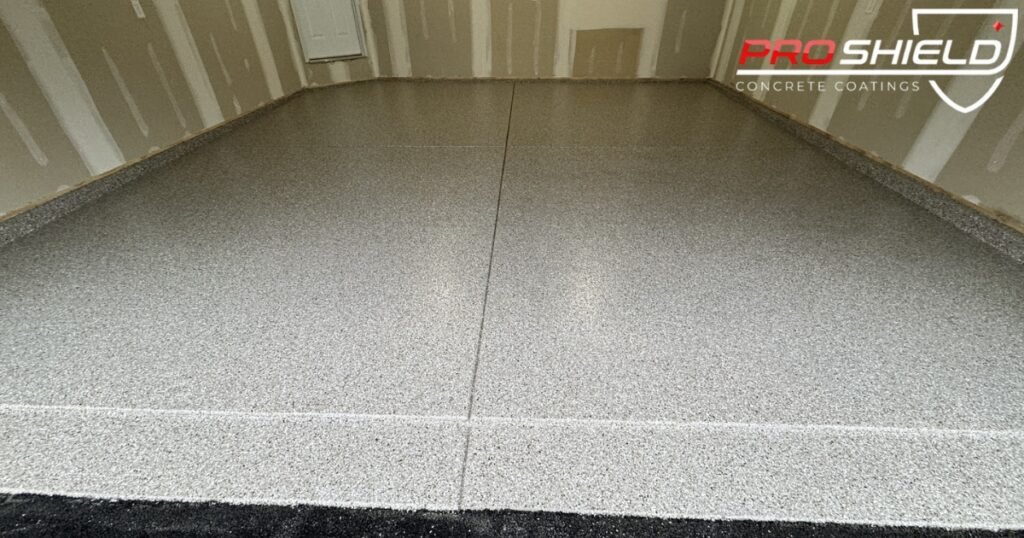
A solid-color basement floor can look sharp, but it may show dust, scratches, and small debris more easily. A flake system can create a more forgiving finish for busy finished basements. It adds visual depth while helping hide minor wear between cleanings.
Flake also gives the floor a more finished look without making the basement feel like a garage. Homeowners can choose cleaner neutral blends, brighter finishes, or more decorative looks depending on the room’s purpose. The right topcoat protects the surface and helps with cleanability.
Our Flake System Flooring option works well when homeowners want a finished basement floor that looks polished but still handles storage bins, exercise equipment, pets, kids, and daily foot traffic.
Polyaspartic Topcoats Add More Protection
A finished basement floor does not face vehicle tires like a garage, but it still needs wear resistance. Chairs, workout gear, storage racks, pet nails, laundry baskets, and moving furniture can mark weak coatings. A stronger topcoat helps the floor keep its finish longer.
Polyaspartic flooring can serve as a durable top layer over a prepared system. It offers strong stain resistance, fast cure options, and a clean finish. In many projects, epoxy provides build and bond, while polyaspartic adds surface protection.
Homeowners comparing coating types can review Polyaspartic Flooring when they want added performance for a finished basement, home gym, or lower-level entertainment room.
Cure Time Matters In Finished Basements
Finished basements usually contain furniture, appliances, storage, trim, stairs, and finished walls. That makes scheduling important. The floor needs enough time to cure before normal use returns. Rushing furniture back onto a soft coating can cause marks, scuffs, or dull areas.
Cure time depends on the coating system, room temperature, humidity, airflow, and slab condition. Buffalo basements can stay cool even when the upstairs feels comfortable. Cooler concrete can slow the cure process and affect installation planning.
We account for those conditions before the work starts. A stronger finished basement epoxy needs the right timing, not just the right product. That helps the floor cure properly and protects the finished room from avoidable damage.
Safe Texture Belongs In The Plan
Smooth epoxy can become slick when wet. Basements may see water from laundry, pets, dehumidifiers, or utility work. A finished basement floor should balance easy cleaning with practical traction.
Texture does not need to feel rough or industrial. A controlled flake broadcast and topcoat selection can improve footing while keeping the floor easy to sweep and mop. The right finish depends on room use.
A home gym may need more grip. A storage room may need more abrasion resistance. A family room may need a softer visual finish. We match texture to how the basement will actually function.
Finished Basement Epoxy Cost Factors
The cost of epoxy flooring for a finished basement depends on the floor, not just the sqft. A clean, sound slab costs less to prepare than a floor covered with old paint, glue, patch material, or moisture damage.
A stronger basement system may include grinding, crack repair, moisture review, primer, base coat, decorative flakes, and a protective topcoat. Each step adds value when the slab needs it. Skipping those steps to lower the price can shorten the floor’s lifespan.
Homeowners should compare epoxy flooring contractors by process, not just by the final number. Ask how they prepare the concrete, handle cracks, review moisture, and choose the topcoat. Those answers tell more than a low estimate.
Frequently Asked Questions About Basement Epoxy
Is Epoxy Flooring Good For Finished Basements?
Epoxy flooring can be a strong choice for finished basements when the slab has proper prep and manageable moisture. It gives the room a seamless surface that cleans more easily than carpet or grout.
How Do You Prep A Basement Floor For Epoxy?
We remove weak coatings, grind the concrete, repair suitable cracks, clean the surface, and review moisture signs. Strong prep helps the epoxy bond instead of peeling from hidden contamination.
Can Epoxy Stop Moisture In A Basement Floor?
Epoxy can help seal the surface, but it should not replace drainage repair or waterproofing when water intrusion exists. Moisture problems need review before coating starts.
Is Epoxy Flooring Safe For Home Basements?
Professionally installed epoxy flooring can work safely in home basements after proper curing and ventilation. Product selection, prep, cure time, and installer experience all matter.
Are Epoxy Basement Floors Slippery?
A smooth epoxy floor can feel slick when wet. Texture, flake systems, and topcoat choices can improve traction while keeping the finished basement easy to clean.
How Long Does Basement Epoxy Flooring Last?
A properly installed basement epoxy floor can last many years in normal residential use. Moisture, slab condition, cleaning habits, and coating thickness affect the final lifespan.
Is Epoxy Better Than Tile In A Basement?
Epoxy can be better when homeowners want seamless cleanup, fewer joints, and a surface that does not rely on grout lines. Tile may work, but grout maintenance becomes a concern.
Can Epoxy Cover Old Basement Floor Paint?
Old paint should not be trusted as a base layer. We remove weak paint through grinding so the new coating can bond to prepared concrete instead of failing with the old layer.
How Much Does Basement Epoxy Flooring Cost?
Cost depends on square footage, slab repairs, old coating removal, moisture concerns, finish type, and topcoat selection. A proper inspection gives a more accurate number than a basic online range.
Who Does Epoxy Floors Near Me In Buffalo?
ProShield Concrete Coatings installs basement epoxy flooring for homeowners across Buffalo and nearby Western New York communities. We match the system to the slab, moisture conditions, and room use.
Build A Stronger Finished Basement In Buffalo
A finished basement floor should not hide moisture, dust, cracks, or weak concrete under soft flooring.
It should give the room a clean, durable surface that fits Buffalo’s cold winters, spring thaw, and below-grade conditions. ProShield Concrete Coatings helps homeowners choose epoxy flooring services with the right prep, coating build, and finish for the space.
Start with the slab, solve the hidden issues, then finish the basement with confidence. Contact Us