Skip to content
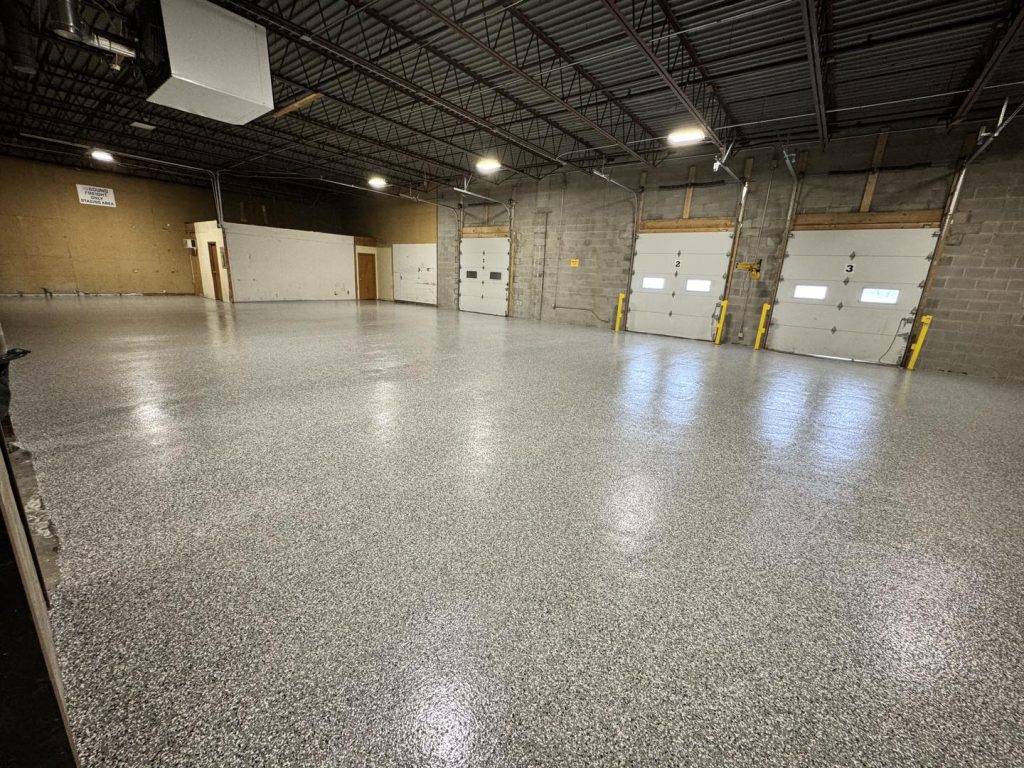
The honest epoxy floor lifespan Buffalo, NY, homeowners can expect depends on prep, moisture, salt exposure, slab condition, and the coating system used. Buffalo garages deal with lake-effect snow, road salt, freeze-thaw cycles, wet tires, and long winter moisture.
Those conditions punish weak floor paint, thin DIY kits, and rushed coating work.
A professionally prepared epoxy floor coating can last many years, but a cheap coating may peel in one or two winters. For homeowners in Buffalo and nearby Western New York areas, lifespan is less about the word “epoxy” and more about the system beneath it. Buffalo’s winter snowfall pattern gives garage floors heavy seasonal moisture loads, which directly affect coating performance.
What Epoxy Floor Lifespan Buffalo, NY Means
A strong residential epoxy floor in Buffalo can last 8 to 15 years when the slab gets proper grinding, crack repair, moisture review, and a durable topcoat. In lighter-use basements, the lifespan can run longer because the floor avoids tires, road salt, and hot vehicle pressure.
Garage floors face the hardest test. Wet vehicles carry salt, slush, grit, and dirty meltwater into the slab area. That mix can stain bare concrete, weaken old coatings, and attack poorly bonded materials. New York also tracks road salt use because of its broad environmental and infrastructure impact, which shows how common salt exposure becomes during winter maintenance.
For Buffalo homes, we treat lifespan as a system question. The right service page to compare options is our Epoxy Flooring page, especially when a homeowner wants a clean, sealed, long-lasting floor instead of another short-term paint job.
Why Buffalo Winters Shorten Weak Epoxy Floors
Buffalo does not give garage floors an easy climate. Snow comes in fast, melts under vehicles, then refreezes near garage doors and slab edges. Moisture reaches surface cracks, joints, low spots, and poorly sealed concrete pores. Once that cycle repeats through winter, weak coatings lose bond.
Road salt adds another problem. Saltwater sits on the surface after a vehicle parks inside. It can dry into white residue, pull moisture back into the floor area, and create gritty abrasion under tires. A thin coating with poor prep cannot handle that cycle for long.
Freeze-thaw pressure also matters. Concrete expands and contracts during seasonal swings. A coating system must bond tightly and tolerate movement at cracks and control joints. That is why professional epoxy floor installation starts with surface preparation, not color selection.
The Honest Lifespan Range For Buffalo Floors
A big-box epoxy kit may look good for a short time, but many fail early because the surface profile is weak. Acid washing, light sanding, or coating over dusty concrete leaves the material sitting on top instead of bonding into the slab.
A contractor-grade epoxy floor coating usually lasts much longer because the concrete gets mechanically opened before coating. For many Buffalo garages, a realistic range is 8 to 15 years with proper installation and normal care. Heavy commercial use, studded tire traffic, constant salt, oil leaks, or poor drainage can shorten that range. Commercial spaces need a different standard.
Retail areas, restaurants, and industrial floors take more wear than a home garage. A business near downtown Buffalo should not judge lifespan from residential examples. For heavier traffic, coating thickness, chemical resistance, return-to-service time, and topcoat selection become more important.
Surface Prep Decides Most Of The Lifespan
Epoxy flooring contractors can use the same coating material and still get very different results. The difference comes from surface prep. Concrete must be clean and dry enough for the chosen system.
Diamond grinding gives the coating a stronger mechanical bond. It removes weak surface paste, old paint, dirt, salt residue, and surface contaminants. It also creates a profile that helps the epoxy grip the concrete. Skipping this step can turn a good product into a short-term coating.
Moisture review also matters. Concrete can look dry while still moving vapor upward. When vapor pressure gets trapped under a non-breathable coating, bubbles, whitening, or peeling may appear. This risk increases in basements, older garages, and slabs with poor drainage around the home.
When Garage Epoxy Lasts Longer In Buffalo
Garage epoxy lasts longer when the slab has strong concrete, proper slope, controlled moisture, and a coating system built for winter grime. A garage that stays cleaner during winter will usually age better than one that keeps saltwater puddles for days.
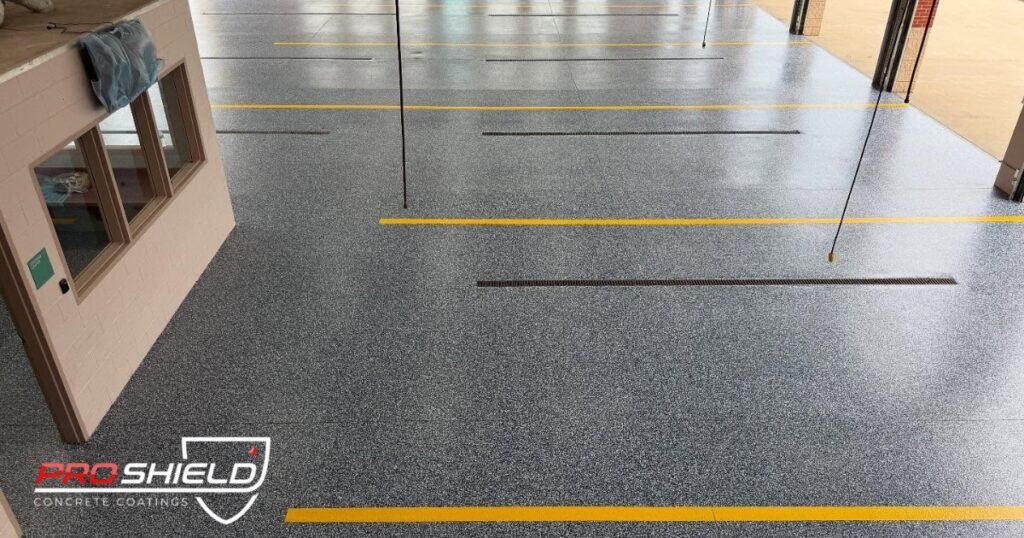
The best results start before coating. We look for cracks, soft concrete, spalling, oil contamination, low spots, and signs of moisture. Then we match the system to the space. Many Buffalo homeowners choose Garage Floor Coatings because the floor must handle parked vehicles, snow melt, salt, tires, tools, and seasonal storage.
A flake broadcast can also help hide dust, salt marks, and small debris between cleanings. The coating still needs a durable topcoat, because the top layer takes the abuse from tires, grit, and winter cleaning.
How Basements Change The Lifespan Answer
Basement floors do not face road salt or vehicle traffic, but they bring another concern. Moisture can move through the slab from soil pressure, drainage issues, sump activity, humidity, or old concrete. That makes basement coating work different from garage work.
A basement epoxy floor can last a long time when moisture stays under control, and the surface gets prepared correctly. Problems start when coating covers damp concrete without the right review. Odor, peeling, bubbles, or cloudy areas can follow.
Homeowners in Buffalo’s older neighborhoods should take basement slab age seriously. Many homes near South Buffalo, Kenmore, North Buffalo, and older suburbs have concrete that has seen decades of seasonal moisture. For these floors, our Basement Floor Coatings page is the better next step than guessing from garage examples.
Epoxy VS Polyaspartic For Buffalo Lifespan
Epoxy builds strong adhesion and thickness, which makes it useful as part of a serious coating system. Polyaspartic flooring cures faster and provides strong UV stability, stain resistance, and topcoat durability. In many Buffalo projects, the best answer is not one material alone. It is the right layered system.
A durable garage floor may use epoxy for body and bond, then a polyaspartic topcoat for wear protection. This helps the surface resist tire marks, salt residue, stains, and cleaning chemicals. It also supports faster return to service when conditions allow.
For homeowners comparing systems, our Polyaspartic Flooring page explains where this material fits. The right choice depends on slab condition, use, moisture, finish preference, and installation timing.
Signs Your Epoxy Floor May Not Last
Peeling near the garage door is a warning sign. That area sees the most snow melt, cold air, and tire moisture. When edges lift, water can travel under the coating and spread the failure.
White powder, bubbling, soft spots, or cloudy patches can point to moisture movement. Tire pickup may show weak bonding, poor cure, or the wrong topcoat. Scratches alone do not always mean failure, but deep wear paths can expose the coating to staining and moisture.
Cracks need separate attention. Epoxy can cover repaired cracks, but it cannot stop major slab movement. A contractor should explain what can be repaired, what may return, and what the homeowner should expect over time.
How Maintenance Protects Epoxy Floors
Buffalo homeowners can extend coating life with basic winter care. Remove saltwater instead of letting it sit for days. Use a soft broom or squeegee after heavy snow events. Wash salt film with mild cleaner and warm water when the weather allows.
Avoid harsh solvents, metal scraper blades, and aggressive de-icers inside the garage. Use mats carefully, because rubber-backed mats can trap moisture or leave marks on some coatings. Furniture pads, kickstand pads, and soft wheels can also protect high-pressure points.
Cleaning matters most from December through March. Salt residue and grit act like sandpaper under tires and boots. A clean floor keeps its finish longer and gives the coating system a better chance to reach its expected lifespan.
When Replacement Beats Repair
Small scratches, dullness, and light wear can sometimes be cleaned or recoated. Peeling, widespread bubbles, heavy delamination, or moisture failure usually require more than a quick topcoat. Covering failed epoxy with another layer rarely solves the problem.
A professional inspection should check bond strength, slab contamination, moisture signs, and coating thickness. The repair plan may include grinding off the failed material, repairing damaged concrete, and installing a better system. That costs more than a patch, but it protects the next floor from repeating the same failure. For serious garage or basement problems, homeowners can contact ProShield Concrete Coatings for a direct floor review before choosing another coating.
Frequently Asked Questions About Buffalo Epoxy Floors
How Long Does Epoxy Floor Last In Buffalo, NY?
A professionally installed epoxy floor in Buffalo can often last 8 to 15 years in a garage and longer in lighter-use indoor areas. Road salt, moisture, slab condition, and prep quality decide the real lifespan.
How Long Does Epoxy Garage Floor Last In Buffalo Winters?
A garage epoxy floor can last many years when the concrete gets diamond ground, repaired, and coated with the right topcoat. Thin DIY kits often fail sooner because winter salt and slush expose weak bonding.
Does Road Salt Damage Epoxy Flooring?
Road salt can shorten coating life when it sits on the surface for long periods or enters cracks and weak edges. A strong topcoat and regular winter cleaning reduce that risk.
Why Does My Garage Floor Sweat Under Epoxy?
Garage floor sweating can come from condensation, moisture vapor, temperature swings, or slab drainage problems. A contractor should review moisture signs before coating in Buffalo’s seasonal climate.
Is Epoxy Flooring Good For Buffalo Basements?
Epoxy flooring can work well in Buffalo basements when moisture is controlled and the slab is prepared correctly. Damp slabs need careful review before any non-breathable coating system gets installed.
Is Polyaspartic Better Than Epoxy For Buffalo Garages?
Polyaspartic works well as a durable topcoat, while epoxy can provide a strong build and bond. Many long-lasting Buffalo garage systems use both materials instead of relying on one layer.
How Long Before You Can Drive On Epoxy Floor?
Drive time depends on the product, temperature, humidity, and system design. Many professional systems need at least a short cure window before vehicle traffic. Cold or damp conditions may extend that timeline.
Does Epoxy Flooring Increase Home Value In Buffalo?
A clean, durable garage or basement floor can support buyer confidence because it improves appearance and usable space. Value depends on installation quality and how well the floor fits the home.
Are Epoxy Floors Slippery In Winter?
Smooth epoxy can feel slippery when wet. Texture, flake systems, and proper topcoat selection can improve traction for garage floors exposed to snow melt and wet boots.
How Do I Know Which Epoxy Flooring Company To Hire?
Look for surface prep details, moisture review, coating system explanation, local winter experience, and clear expectations. A reliable epoxy flooring company should explain why the floor will last, not just show color samples.
Get A Longer-Lasting Epoxy Floor In Buffalo, NY
Buffalo floors need more than a fresh coating.
They need prep, moisture awareness, salt resistance, and a system matched to the space. ProShield Concrete Coatings helps homeowners and businesses choose epoxy flooring services that fit Western New York conditions, from garage floors to basements and heavier-use spaces. Start with the right inspection, then choose the coating system built for your slab, traffic, and winter exposure. Contact Us