Skip to content
Moisture-resistant epoxy flooring is not optional in NEW YORK. Around Buffalo, wet winters, heavy snow, and spring thaw keep concrete damp for long stretches. Snowmelt tracks into garages.
Basements deal with ground moisture year-round. When moisture moves through a slab, it can push against an epoxy floor coating and cause bubbles, soft spots, or peeling.
We solve that problem before we start epoxy floor installation. We test the slab, choose the right primer, and build a system that matches Western NEW YORK conditions. Buffalo, NY, snowfall patterns make this a real issue, not a rare one.
Why Moisture Causes Epoxy Flooring Failures In Buffalo
Concrete looks solid, but it breathes. Water can enter from the top and also travel upward from below.
In Buffalo garages, snowmelt sits near the overhead door and soaks in. Deicing salts make it worse because water and salt can stand on the surface for long periods, which increases concrete surface damage and raises the risk of scaling. That weak surface cannot hold a long-term bond.
Basements add another moisture source. Groundwater pressure and humid air keep the slab and walls damp. The EPA notes that water can seep through basement floors and that moisture control is key to preventing related issues. When epoxy flooring contractors skip moisture checks, the coating can fail even if the product is good. The slab, not the coating, drives the outcome.
What “Moisture Resistant” Actually Means For Epoxy Floors
Moisture-resistant epoxy flooring does not mean we ignore moisture. It means we control it so the system bonds and stays bonded. We start by measuring moisture conditions in the slab.
Many epoxy floor coating installers rely on surface appearance. That does not work in NEW YORK. Moisture can sit deeper in the concrete even when the surface looks dry.
After we confirm conditions, we select a primer and epoxy floor coating build that fits the readings. That is how we prevent vapor pressure from lifting the coating later.
Our Moisture-First Epoxy Floor Installation Approach
We use mechanical grinding to remove weak concrete and open the pores for bonding. This also removes residue that can trap moisture and reduce adhesion. Next, we repair cracks, spalls, and damaged joints.
In Buffalo, the front third of the garage often shows the most wear because of snowmelt and salt exposure. Then we test for moisture vapor conditions and plan the system around those results. If moisture runs high, we use a moisture-mitigating primer before the epoxy base coat.
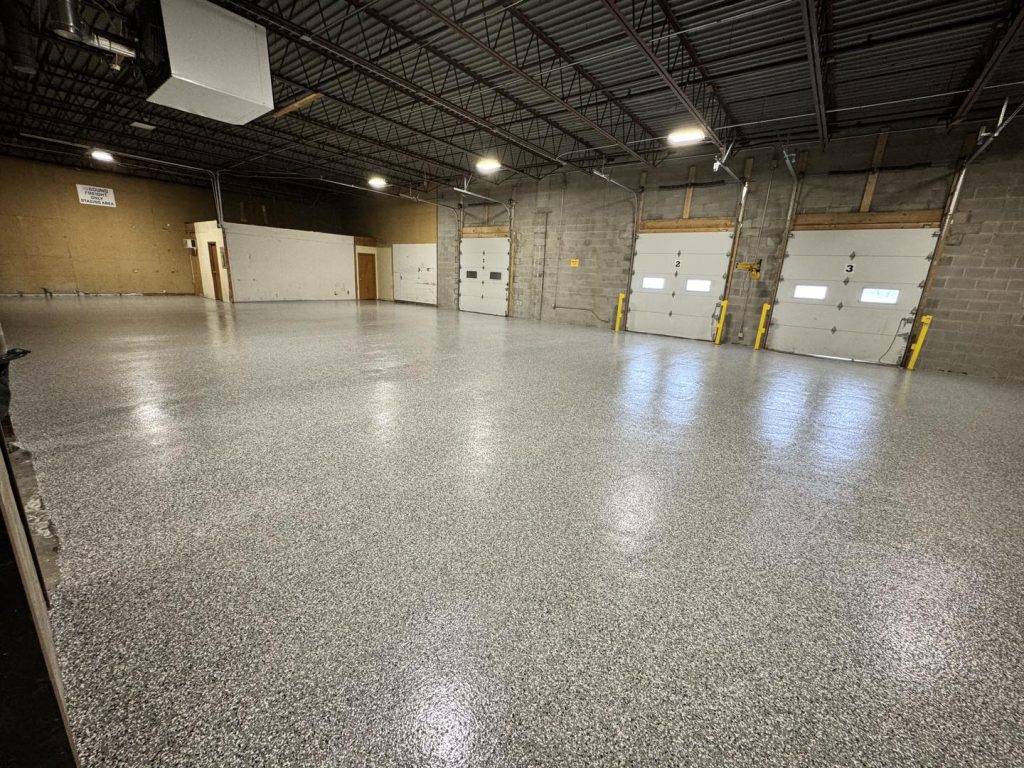
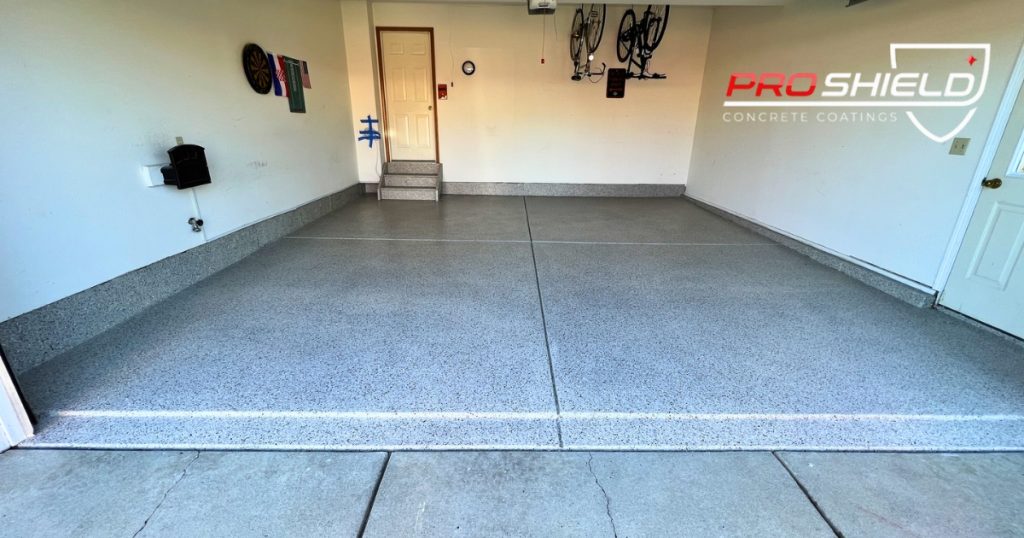
We install a multi-layer epoxy flooring system and finish with a protective top layer designed to resist water, salt, and abrasion. For garages, our primary solution is our garage floor coatings service, built to handle Buffalo winters and wet concrete conditions.
Where Moisture-Resistant Epoxy Flooring Matters Most
Garages get surface water. Basements get vapor pressure and damp air. Both can destroy coatings when the slab is not prepared correctly.
If your problem sits in a below-grade space, our basement floor coatings page explains how we address moisture-driven failures in NEW YORK basements.
If you want to confirm coverage in your area, our service areas page reflects where we work around Buffalo and Western NEW YORK.
Warning Signs Your Concrete Needs Moisture Control First
Moisture problems often show up before coating day. You may see dark, damp patches that come and go, white mineral deposits, or peeling paint near the garage door. In basements, you may notice musty odor, damp edges, or recurring condensation. We do not guess at these signals.
We test the slab and verify the cause. That protects your epoxy floor and avoids repeat failures.
Moisture-Resistant Epoxy Flooring Questions We Hear in NY
Will Moisture-Resistant Epoxy Flooring Stop Bubbling?
Bubbling usually comes from vapor pressure below the coating or contamination that blocks adhesion. Moisture testing and the right primer stop the pressure from lifting the epoxy floor coating later.
Can You Install Epoxy Flooring On A Damp Garage Slab?
Not safely without a plan. A damp slab needs testing and often a moisture-mitigating primer. Buffalo’s snow season makes “dry enough” a risky assumption.
Why Does Epoxy Floor Coating Peel Near The Garage Door?
Standing salt water increases damage risk and can weaken the surface layer, which lowers bond strength. We grind and prep that zone aggressively before epoxy floor installation.
Does A Dehumidifier Fix Basement Moisture Under Epoxy?
A dehumidifier helps reduce air moisture, not moisture moving through the slab. We address slab moisture with testing and primers, then seal the surface with the right epoxy flooring system.
Is Polyaspartic Better For Moisture Than Epoxy?
Polyaspartic can be a strong topcoat, but moisture control starts at the concrete. If vapor pressure is high, the primer and base system matter more than the topcoat choice.
How Long Does A Moisture-Controlled Epoxy Floor Last?
When the slab is sound and moisture is managed, epoxy flooring can last many years in Buffalo garages and basements. Early failures almost always trace back to prep, moisture testing, or surface condition.
Can Old Concrete Still Get Moisture-Resistant Epoxy Flooring?
Yes, if we remove weak surface concrete and control moisture. Old slabs often need more grinding and repair, especially in salt zones near the door.
Get A Moisture-Tested Epoxy Floor Plan In Buffalo
Moisture-resistant epoxy flooring in NEW YORK starts with slab testing and a system built for wet concrete conditions. If your garage or basement floor shows damp spots, peeling paint, or past coating failure, we will verify moisture conditions and recommend the right epoxy floor coating build.
Schedule an evaluation through our contact page, and we will inspect the slab, test moisture, and map out a durable epoxy floor installation for Buffalo-area conditions.